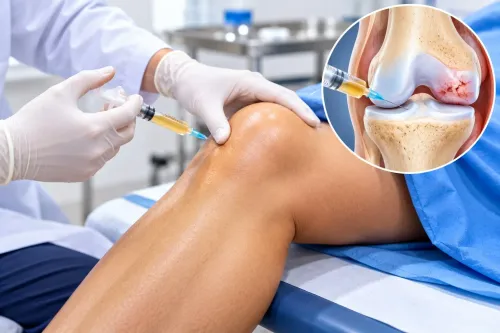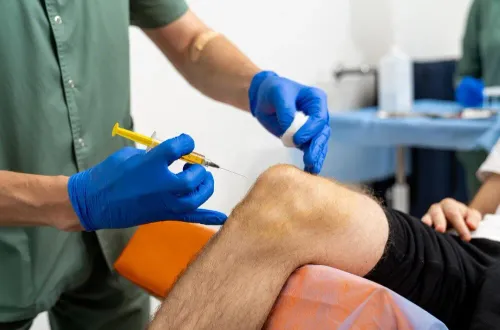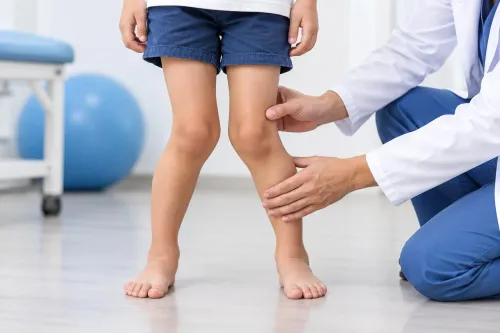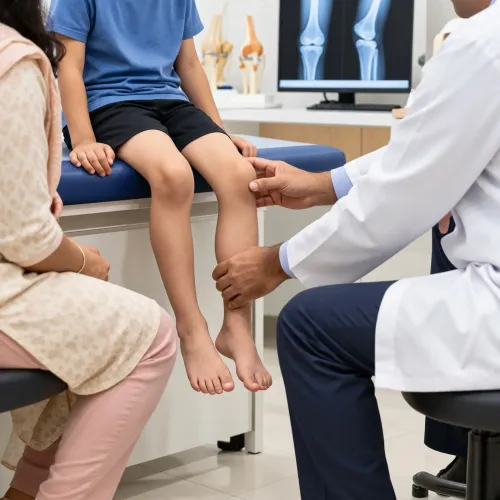
Pain at the front of the knee can make stairs, squats, running, prolonged sitting, and gym exercises uncomfortable. In some patients, symptoms are associated with changes involving the cartilage beneath the kneecap and the way the patellofemoral joint is loaded.
Chondromalacia patellae treatment should therefore focus on understanding why the kneecap region is becoming painful rather than treating every case as a simple cartilage problem.
The patella moves within a groove at the lower end of the thigh bone as the knee bends and straightens. The forces acting across this joint change considerably during activities such as squatting, climbing stairs, running, and jumping.
Common symptoms around the kneecap
Patients may report:
- Dull pain at the front of the knee
- Discomfort while climbing or descending stairs
- Pain after sitting with the knees bent for a long time
- Symptoms during squats or lunges
- Grinding or clicking sensations
- Difficulty increasing running or gym activity
Clicks and grinding do not automatically indicate severe joint damage. Symptoms need to be interpreted alongside examination findings.
Why does the knee become painful?
Several factors may contribute.
A rapid increase in exercise load is common. For example, someone who suddenly adds frequent squats, running, hill training, or high-intensity workouts may increase stress across the patellofemoral joint faster than the tissues can adapt.
Hip and thigh muscle strength, lower-limb mechanics, flexibility, previous injuries, body weight, and individual anatomy can also influence loading.
This is why simply avoiding stairs forever is rarely a meaningful long-term strategy.
What does treatment usually involve?
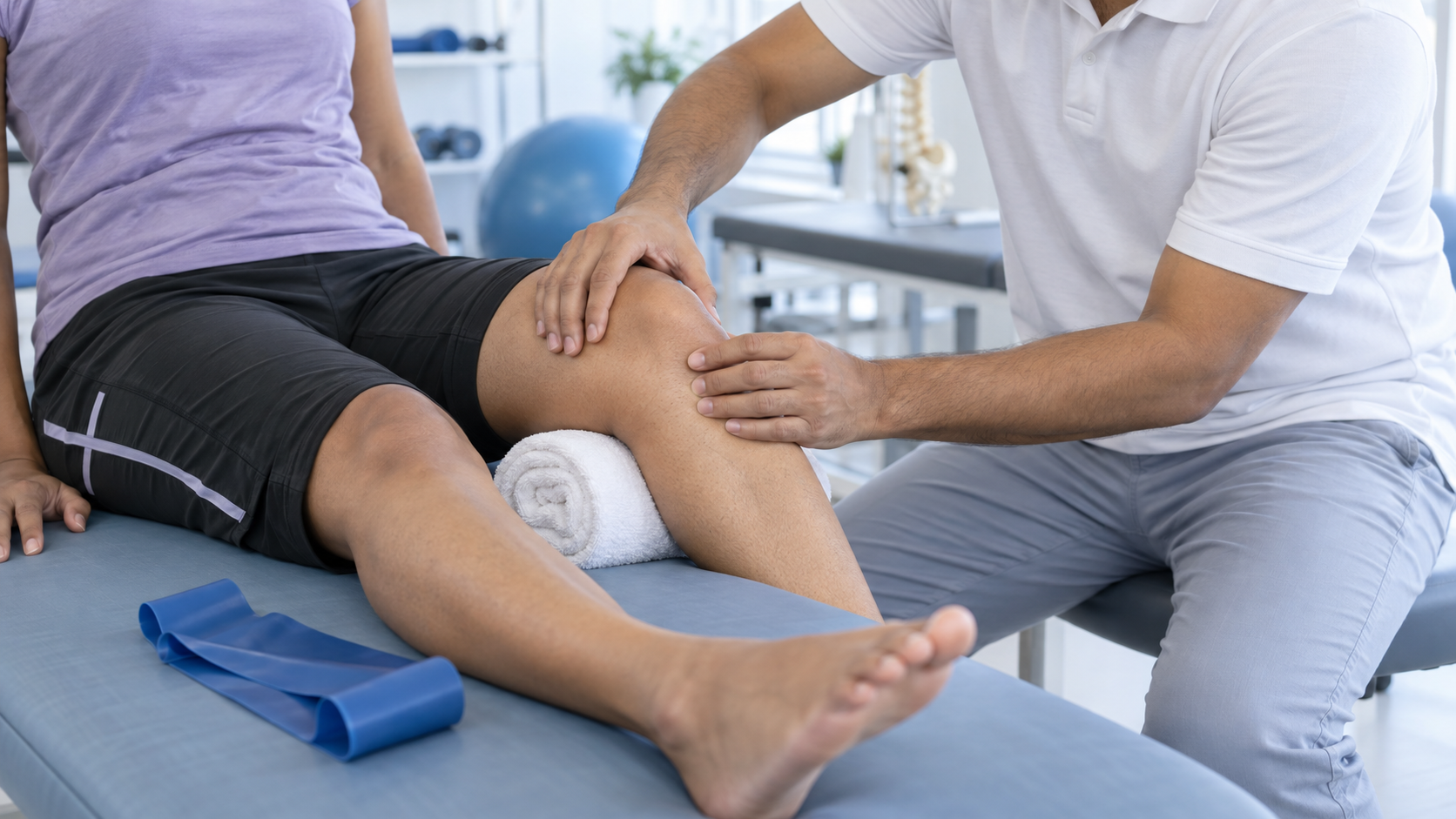
For many patients, rehabilitation forms an important part of management.
The programme can be adapted to address:
- Quadriceps strength
- Hip muscle strength and control
- Lower-limb movement patterns
- Flexibility where restricted
- Training errors
- Exercise volume
- Gradual return to aggravating activities
Exercises should be progressed according to tolerance rather than selected randomly.
If a particular squat depth produces significant pain, for example, modifying the range temporarily may allow strengthening to continue without repeatedly provoking symptoms.
When is imaging needed?
Not everyone with anterior knee pain immediately requires an MRI.
Clinical history and physical examination can provide valuable information. Imaging may be considered when symptoms persist, the diagnosis is unclear, there has been trauma, or another structural problem is suspected.
X-rays and MRI answer different questions and may be selected accordingly.
When should an orthopaedic assessment be considered?
Persistent pain, recurrent swelling, significant restriction of movement, instability, symptoms following trauma, or failure to improve with appropriate rehabilitation are reasonable reasons for further evaluation.
Active adults in Bengaluru often combine prolonged office hours with gym training, running, cycling, badminton, or weekend sports. Sudden changes between sedentary workdays and intense activity can create challenging load patterns for the knee.
At Dr Harish Madrekar's Orthopaedic Clinic in Bengaluru, anterior knee pain can be assessed in relation to joint mechanics, activity patterns, muscle function, imaging findings where required, and individual goals.
Chondromalacia patellae does not necessarily mean that an active lifestyle must end. The more useful objective is to identify modifiable factors, manage the current irritation, progressively rebuild capacity, and determine whether another knee condition is contributing when symptoms do not follow the expected pattern.
Keywords